The Toolkit
The tools, prompts, and downloads that make the framework real.
These are the tools THAMPICO uses in active client work. Pricing shown is approximate — check each tool's site for current plans. Prompts are ready to copy and use immediately.
Recommended Tools
Each tool plays a specific role. They are more useful together than separately.
Starter Prompt Library
Copy, paste, and adapt for your next deliverable.
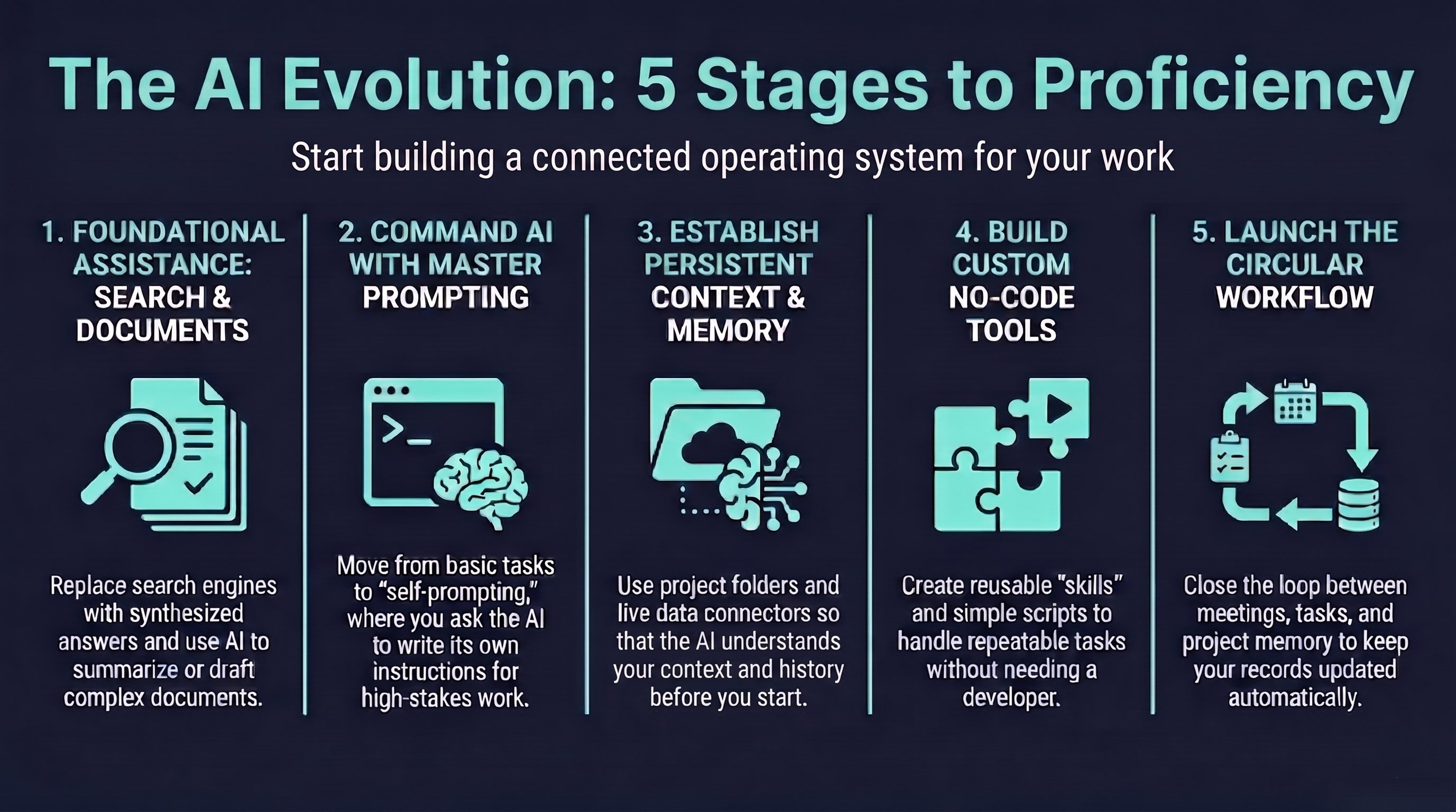
These prompts follow the master prompting framework from Stage 2 of the playbook — role, task, format, and constraints specified. Each is a starting point, not a final prompt.
You are a senior project manager processing a meeting transcript. Extract and organize the following from the transcript I will paste below:

1. DECISIONS — list each decision made, with who made it if stated
2. ACTION ITEMS — each item as: [Owner] will [action] by [date or "no date specified"]
3. OPEN QUESTIONS — unresolved questions that need follow-up
4. RISKS — any risks, blockers, or concerns raised

Format as clean sections with bullet points. Do not summarize the discussion — extract only the items above. Flag anything where ownership or deadline was unclear.

[Paste transcript below]
Use after: any meeting with Granola or manual notes
You are a program management consultant. Based on the project context I will provide, draft a concise status update for a senior stakeholder audience.

Format:
- Overall status: [Green / Yellow / Red] with one-sentence rationale
- Progress this period: 3-4 bullets, accomplishments only
- Issues and risks: bullets, with owner and proposed resolution if known
- Next period focus: 3 bullets maximum
- Decisions needed: list only if executive input is required

Tone: direct and factual. No padding. Under 300 words total.

[Paste project context or last status below]
Use for: weekly or monthly reporting cycles
You are a senior communications consultant. Draft an executive briefing memo based on the background I provide.

Requirements:
- Audience: [describe the executive audience and what they already know]
- Purpose: inform and prompt a specific decision or action
- Length: under 400 words
- Structure: Situation / Complication / Resolution / Ask
- Tone: clear and direct — no corporate filler
- Do not use: "leverage," "synergy," "robust," or "going forward"

End with a single clear ask or recommended next step.

[Paste background material below]
Use for: board updates, leadership briefings, escalation memos
You are a senior project manager evaluating a procurement document. Analyze the RFP I will provide and return:

1. SCOPE SUMMARY — what is being procured, in plain language (2-3 sentences)
2. KEY REQUIREMENTS — the 5 most important technical or delivery requirements
3. EVALUATION CRITERIA — how submissions will be scored, with weights if stated
4. CRITICAL DATES — submission deadline, Q&A period, award date
5. RISKS AND GAPS — anything ambiguous, missing, or likely to require clarification

Be specific and direct. Flag any section that appears internally inconsistent.

[Paste RFP text below]
Use for: bid/no-bid decisions and proposal planning
Downloads
Reference materials for your team.
From Curious to Capable — Playbook
The complete five-stage methodology. 15 pages, practitioner-ready. PDF.
Download PDF ↓Five Stages of AI Proficiency
The framework graphic, for reference or sharing with your team. PNG.
Download graphic ↓